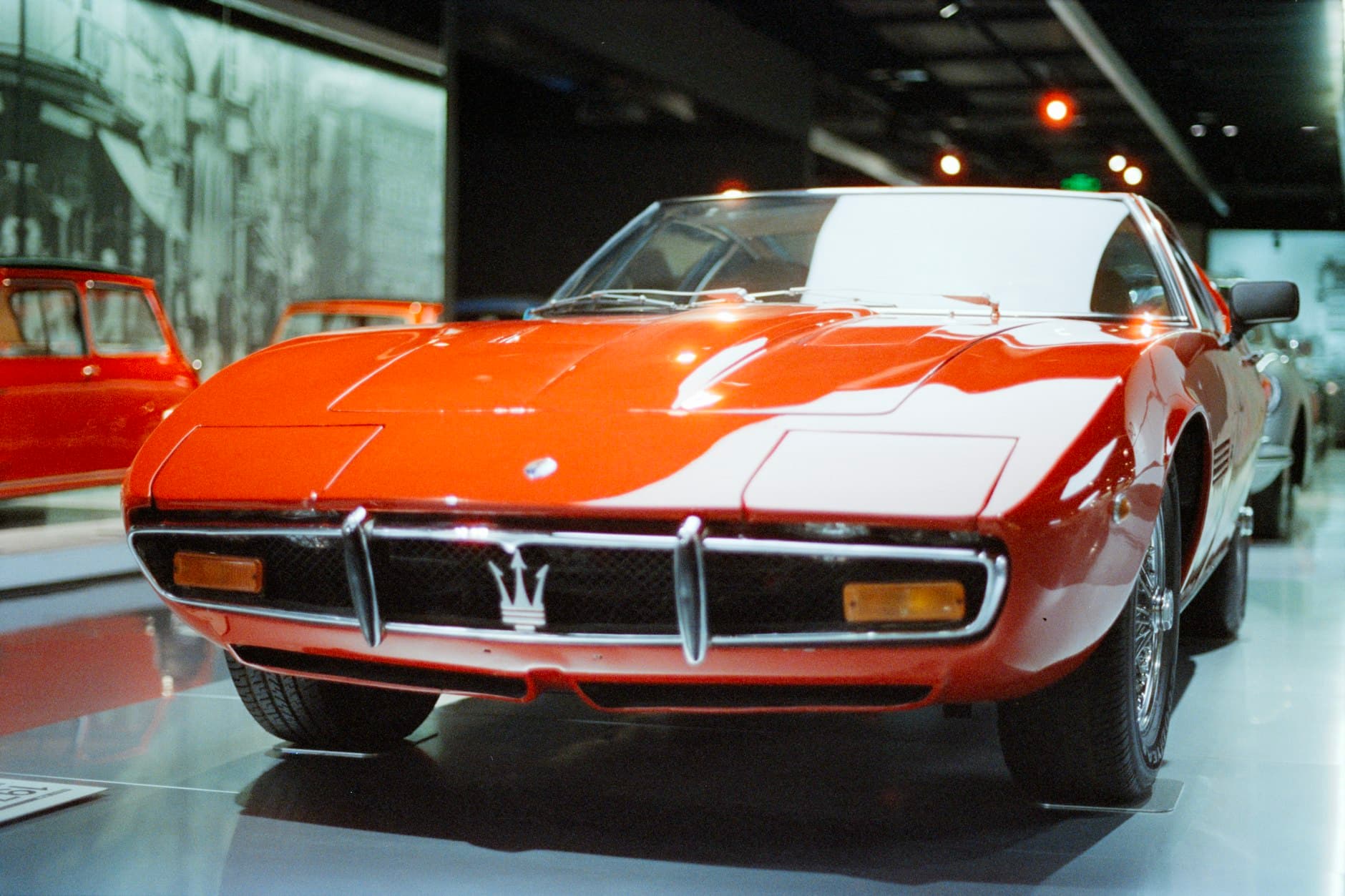
The Maserati 3500 GT is the car that turned a racing name into a maker of beautiful road cars. Before it, Maserati built machines to win grands prix and little else; the 3500 GT, launched in 1957, was the first Maserati produced in real numbers for the road. Around 2,200 were made, and it gave the trident a business that survives to this day.
Why is the 3500 GT so important to Maserati?
It was the first Maserati built as a series-production road car rather than a racer. The company had been founded in Bologna in 1914 by the Maserati brothers and had spent four decades winning races, including two Indianapolis 500 victories, but it had never sold road cars in quantity.
The 3500 GT changed the business. Racing had drained the company, so Maserati turned to grand tourers for a steady income, and the model's success proved a marque known for competition could build refined, sellable cars for wealthy drivers. Every road-going Maserati since descends from it.
Who built and designed the 3500 GT?
Carrozzeria Touring of Milan bodied most of them using its Superleggera method, draping thin aluminium panels over a light tubular frame. The result was a long, elegant two-seat coupe with the restraint of a tailored suit, and a smaller number of open Spyders were bodied by Vignale.
Under the skin sat serious engineering. The 3.5-litre straight-six was derived from Maserati's 350S sports-racing engine, tuned by the engineer Giulio Alfieri for the road, and it gave the car around 220 bhp and a genuine grand-touring pace across a continent.
What was special about the engine?
From 1961 the 3500 GTI became one of the first Italian production cars with fuel injection. Maserati fitted a Lucas mechanical injection system in place of carburettors, sharpening the throttle and lifting performance, at a time when injection was still rare outside a handful of pioneers.
The racing bloodline mattered as much as the injection. Because the engine came from a competition unit, the 3500 GT drove with a tautness and a voice that ordinary luxury coupes could not match, which is part of why collectors still seek it out.
| Maserati 3500 GT | Detail |
|---|---|
| Years | 1957–1964 |
| Body | Touring Superleggera coupe; Vignale Spyder |
| Engine | 3.5L straight-six (from the 350S racer) |
| Power | ~220 bhp; GTI fuel injection from 1961 |
| Built | ~2,200 |
How much is a Maserati 3500 GT worth?
A good 3500 GT coupe trades in the low-to-mid six figures, while the rarer Vignale Spyders cost significantly more. It remains one of the more attainable ways into a hand-built Italian grand tourer of the era, well below a contemporary Ferrari yet made with the same care.
Condition, body style and matching numbers set the price, the same factors laid out in our guide to what makes a classic car worth millions. A documented, original Touring coupe or a genuine Spyder sits at the top of the range.
Where does the 3500 GT sit in the quiet-luxury canon?
The 3500 GT is understated in the way the best grand tourers are, a car that whispers its pedigree rather than shouting it. It belongs beside the Aston Martin DB5 as one of the great continental express coupes of its decade, built for covering ground in comfort and style.
It also carries a quiet significance few rivals can claim: it saved its maker. Owning a 3500 GT is owning the car that kept Maserati alive, elegant proof that a racing marque could learn to build road cars without losing its soul.
Frequently asked questions
How many Maserati 3500 GTs were built? Around 2,200 between 1957 and 1964, most as Touring Superleggera coupes with a smaller number of Vignale Spyders.
What engine does the 3500 GT use? A 3.5-litre straight-six derived from Maserati's 350S racing engine, producing about 220 bhp; the 3500 GTI added Lucas fuel injection from 1961.
Why does the 3500 GT matter? It was Maserati's first series-production road car, the model that shifted the company from pure racing to building grand tourers and secured its future.