맥라렌 F1은 여전히 역사상 최고의 양산차로 불리며, 그 이유는 수치로 설명됩니다. 1992년부터 1998년까지 맥라렌은 총 106대를 제작했으며, 그중 64대가 양산차였습니다. 각 차량에는 중앙 운전석, 금으로 안감을 댄 엔진룸, 자연 흡기 V12 엔진이 장착되었습니다. 1998년에는 한 차량이 시속 240.1마일에 도달했는데, 이는 터보차저 없이 양산차 최고 속도 기록으로 아직 깨지지 않았습니다.
맥라렌 F1을 역대 최고의 로드카로 만든 것은 무엇인가?
고든 머레이는 맥라렌의 챔피언십 우승 그랑프리 카 개발에 참여했던 엔지니어이며, 그는 타협 없이 이 차를 설계했습니다. 머레이는 가장 빠른 헤드라인이 아닌, 가능한 최고의 운전자 중심의 차를 원했기에, 로드카로는 최초로 카본 파이버 모노코크를 기반으로 제작했으며 터보차저, 트랙션 컨트롤, 파워 스티어링을 장착하지 않았습니다.
좌석 배치는 의도의 가장 명확한 표현이었습니다. 운전자는 중앙에 앉고, 양옆으로는 약간 뒤쪽에 배치된 두 개의 승객석이 있어, 누가 운전하든 시야와 균형은 운전자에게 속합니다. 모든 부품은 경량성과 목적을 위해 선택되었고, 완성된 차량의 무게는 약 1,140kg으로, 이렇게 강력한 차량으로는 놀라운 수준이었습니다.
맥라렌 F1은 얼마나 빠릅니까?
맥라렌 F1은 시속 240.1마일에 도달했으며, 이는 여전히 역사상 가장 빠른 자연 흡기 양산차입니다. 앤디 월리스는 1998년 폭스바겐의 에라-레시엔 테스트 트랙에서 이 기록을 세웠으며, 이후 과급 방식이 없는 어떤 차도 이를 능가하지 못했습니다.
627마력을 내는 6.1리터 BMW V12 엔진에서 속도가 나왔는데, 이 엔진은 폴 로슈가 이끄는 BMW 모터스포츠에서 제작했습니다. 터보나 슈퍼차저는 없었고, 가볍고 회전수가 높은 엔진이 가벼운 차체에 장착되어 있었기 때문에 F1은 당시의 터보와 페라리의 포르쉐 911 터보와는 매우 다른 느낌을 줍니다.
맥라렌 F1은 운전하기에 어떤가요?
현대적인 하이퍼카에서는 경험할 수 없는 날것 그대로의 느낌입니다. 운전자와 기계 사이에 아무것도 존재하지 않기 때문이죠. 미끄러짐을 잡아주는 트랙션 컨트롤도 없고, 휠을 부드럽게 해주는 파워 스티어링도 없으며, 출발을 관리해주는 런치 컨트롤도 없습니다. 따라서 627마력의 출력과 가벼운 차체는 진정한 기술을 요구하고, 그 기술에 완전히 보답합니다.
중앙 좌석은 모든 것을 바꾼다. 시야가 트이고 페달은 척추와 일직선이 되며, 차는 당신 옆이 아니라 당신 주위로 돌아간다. 어깨 바로 뒤에서 7,000 rpm 이상으로 올라가는 자연 흡기 V12 엔진을 더하면, F1은 속도는 빠르지만 후대의 차들이 조용히 엔지니어링으로 제거해버린 아날로그적인 강렬함을 선사한다.
맥라렌 F1의 엔진룸이 금으로 덮여 있는 이유는 무엇인가요?
엔진룸은 금으로 안감을 댔는데, 금은 거의 모든 다른 금속보다 열을 더 잘 반사하기 때문입니다. 머레이 팀은 배기구와 엔진 주변에 약 16그램의 금박을 사용하여 주변 구조를 보호했는데, 이는 허세처럼 들릴 수 있지만 순수한 공학적 세부 사항이었습니다.
이는 차의 철학 전체를 담고 있습니다. 다른 제조사라면 더 저렴한 방열판을 장착했을 테지만, 맥라렌은 비용에 관계없이 가장 잘 작동하는 소재를 선택했습니다. 바로 이러한 타협하지 않는 정신 덕분에 구매자들은 지금 수백만 달러를 지불하고 이 차를 소유하려 합니다.
로드 카가 르망에서 우승한 방법은?
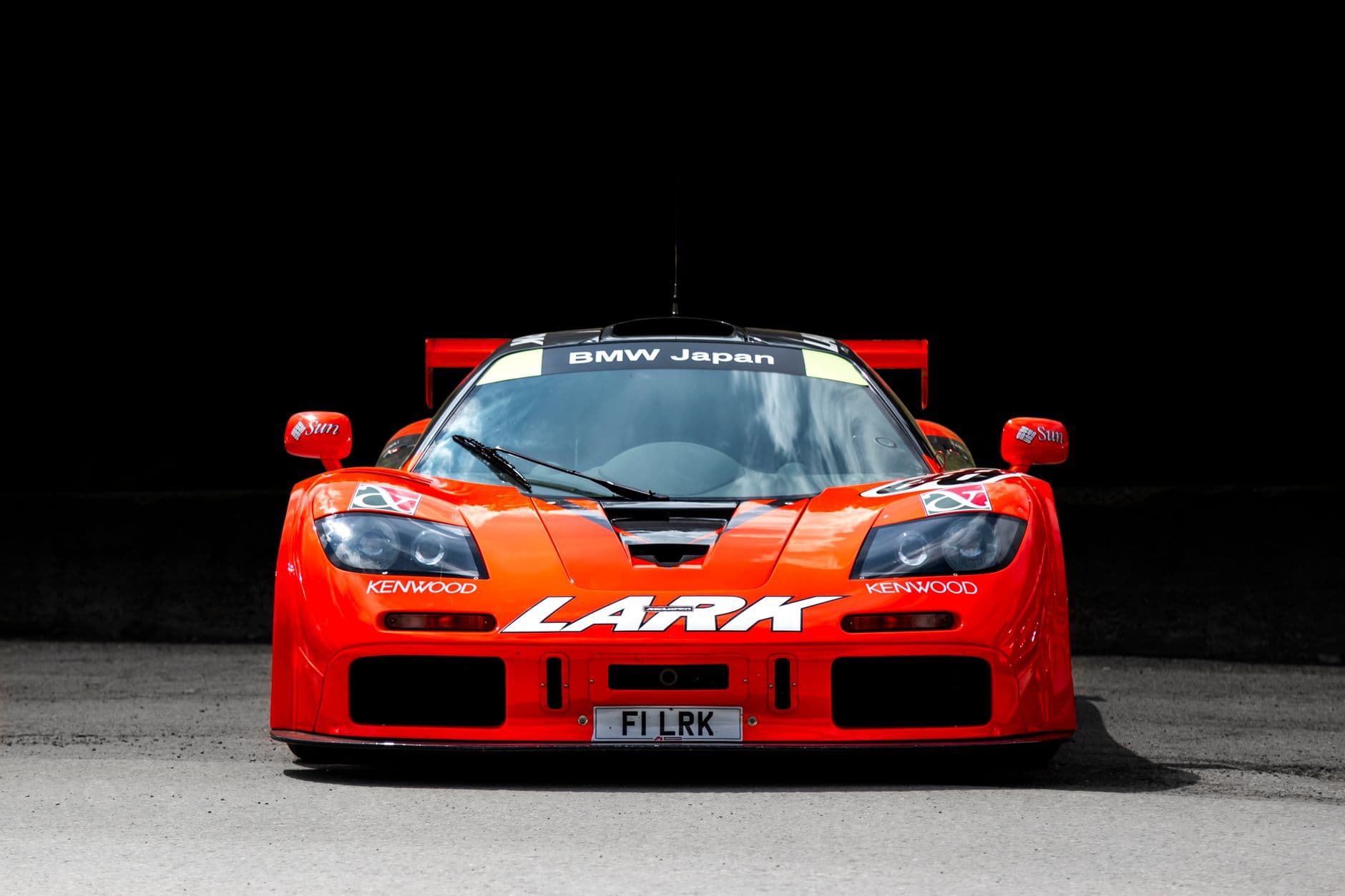
F1 GTR이라는 레이싱 버전은 첫 출전한 1995년 르망 24시 내구 레이스에서 양산 모델에서 파생된 차로, 전용 프로토타입을 누르고 우승을 차지했습니다. 그해 F1 GTR은 다섯 대가 출전했으며, 도로용으로 처음 제작된 차량으로는 거의 들어본 적 없는 결과인 상위권 여러 자리를 휩쓸었습니다.
| 버전 | 대략적인 생산량 | 비고 | 컬렉터 등급 |
|---|---|---|---|
| F1 (로드) | 64 | 표준 로드카 | 최우수 등급, 8자리 수 |
| F1 LM | 5 | 르망 우승 차량의 로드 버전 | 모든 차량 중 가장 가치 있음 |
| F1 GT | 3 | 롱테일 호몰로게이션 스페셜 | 극도로 희귀함 |
| F1 GTR | 28 | 르망 레이스카 | 높은 가치를 지닌 레이싱 증명 |
그 승리는 F1에게 돈으로 살 수 없는 한 가지, 즉 진정한 경쟁 역사를 선사했습니다. 이는 클래식 자동차가 수백만 달러의 가치를 갖게 만드는 요인에 대한 가이드의 가장 위에 자리 잡는 종류의 출처입니다.
맥라렌 F1의 현재 가치는 얼마인가요?
도로 주행용 맥라렌 F1은 이제 8자리 금액으로 거래되며, 희귀한 버전은 더 높은 가격에 거래됩니다. 2021년 굿링 앤 컴퍼니는 페블 비치에서 1995년식 F1을 2,046만 5천 달러에 판매했으며, 이후에도 좋은 상태의 차량들이 개인적으로 더 높은 가격에 거래되었습니다.
희소성과 중요성이 이러한 수치를 견인합니다. 단 64대의 로드카만 제작되었고, 최고 속도 기록을 세웠으며, 르망 우승 경력과 시대를 대표하는 최고의 운전석 차량이라는 명성을 가진 F1은 시장이 높이 평가하는 모든 조건을 충족합니다. 이것이 바로 F1이 경매에서 판매된 가장 비싼 자동차 중 하나로 꼽히는 이유입니다.
F1은 조용한 럭셔리 정전(canon)에서 어디에 속할까요?
F1은 주목이 아닌 완벽을 추구했기 때문에 그 자리에 있는 것입니다. 날개도 없고, 눈에 띄기 위한 배지도 없고, 전자식 안전망도 없습니다. 단지 공학의 한계를 끌어내고 그대로 둔 것뿐이며, 이는 페라리 F40이 존경받는 이유와 같습니다.
이것은 또한 전시용이 아닌, 실제로 운전하기 위해 만들어진 차입니다. 로완 앳킨슨부터 그 차에 대해 일절 언급하지 않는 수집가에 이르기까지, F1을 험하게 다룬 소유주들이 있었고, 도구처럼 취급된 이 걸작의 조용한 진지함이야말로 겉모습보다는 실질에 초점을 맞춘 수집 정신과 정확히 일치합니다.
자주 묻는 질문
맥라렌 F1은 몇 대가 제작되었나요? 맥라렌은 1992년부터 1998년까지 총 106대를 제작했으며, 여기에는 64대의 표준 로드카, 5대의 F1 LM, 3대의 F1 GT, 28대의 GTR 레이스카가 포함됩니다.
맥라렌 F1은 여전히 가장 빠른 자연흡기 차량인가요? 네. 1998년의 시속 240.1마일(약 386.4km/h) 기록은 터보차저나 슈퍼차저 없이 양산된 자동차의 최고 속도 기록으로 남아 있습니다.
맥클라렌 F1은 누가 디자인했습니까? 맥클라렌의 그랑프리 자동차 설계자인 고든 머레이가 디자인을 이끌었고, BMW 모터스포츠가 V12 엔진을 제작했습니다.