«Совпадающие номера» — самая важная фраза при покупке коллекционных автомобилей, и она может удвоить стоимость машины. Это означает, что автомобиль по-прежнему имеет оригинальный двигатель и шасси, с которыми он сошел с завода, что подтверждается заводскими записями. Поняв это, вы поймете, почему один классический автомобиль продается за миллионы, а его почти идентичный двойник — за гораздо меньшие деньги.
Что такое «совпадающие числа»?
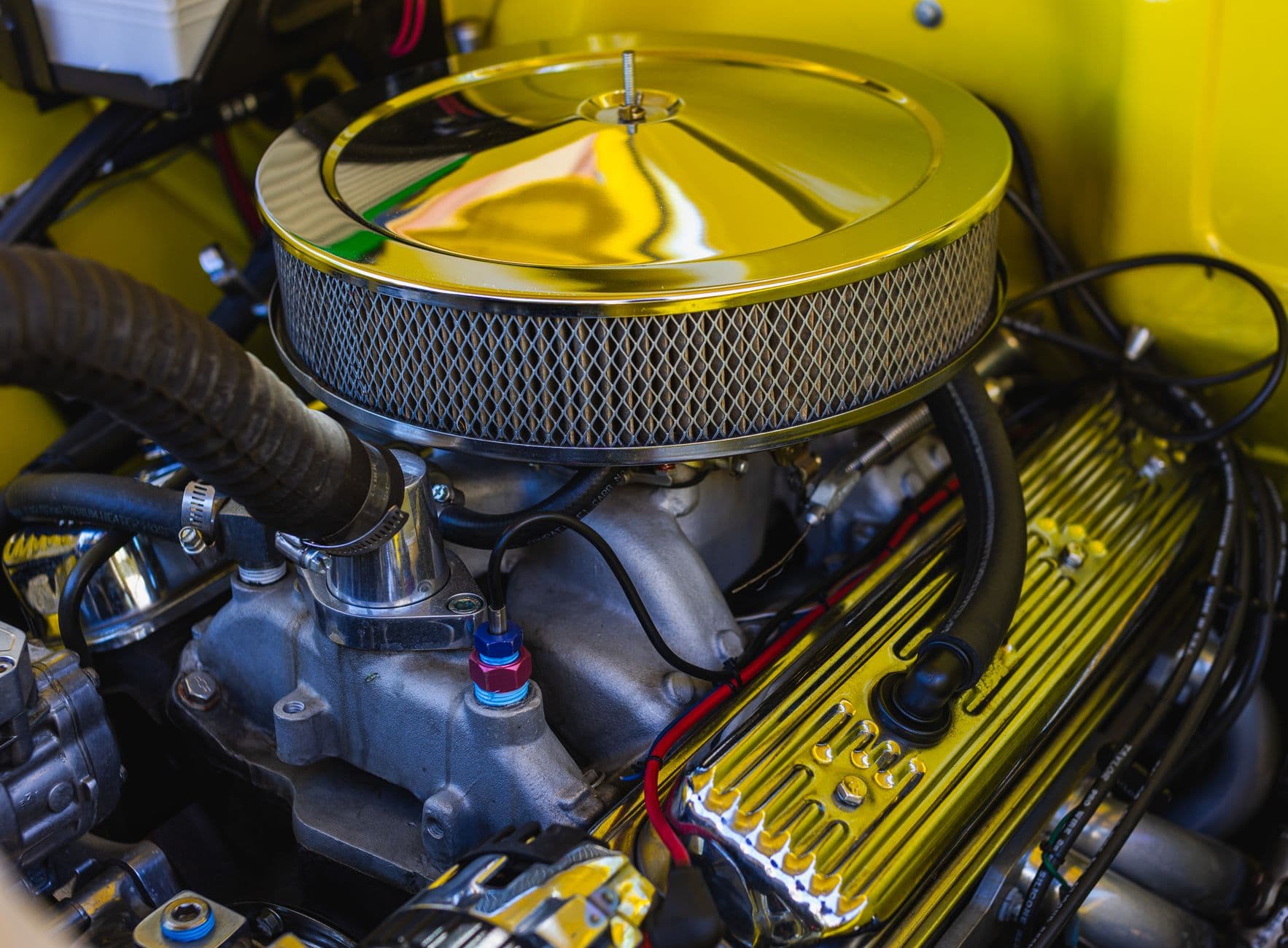
Автомобиль с совпадающими номерами сохраняет именно тот двигатель, а обычно и коробку передач и мост, которые завод установил на этот кузов при производстве. Номера, выбитые на этих деталях, совпадают с номерами, занесенными в заводскую документацию автомобиля, что подтверждает отсутствие крупных замен.
Это утверждение об оригинальности, а не о состоянии. Автомобиль с совпадающими номерами может быть изношен или отреставрирован, но его механическое сердце — то, с которым он родился, и именно за эту подлинность коллекционеры платят самую высокую цену.
Почему так важен подбор цифр?
Это важно, потому что оригинальность сложнее всего подделать и легче всего потерять, поэтому рынок высоко ее ценит. Автомобиль с соответствующими номерами может стоить в два-три раза дороже абсолютно идентичного экземпляра с установленным запасным двигателем, и эта разница растет вместе с ценами.
| Автомобиль | Соответствующие номера | Запасной двигатель |
|---|---|---|
| Mercedes 300 SL Gullwing | ~$2 миллиона+ | ~$1,2 миллиона |
| Ferrari 275 GTB | Низкие семизначные цифры | на 30–50% меньше |
| Porsche 911 Carrera RS 2.7 | Высокая премия | Заметно со скидкой |
| Обычный спорткар 1970-х годов | Небольшой эффект | Цена почти не изменилась |
Причина проста: за десятилетия двигатели повреждаются, участвуют в гонках и меняются, поэтому автомобиль, сохранивший свой оригинальный двигатель, — настоящая редкость. На вершине рынка этот эффект проявляется ярко. Mercedes 300 SL Gullwing с совпадающими номерами может стоить более 2 миллионов долларов, в то время как внешне такой же автомобиль с замененным двигателем может быть продан примерно за 1,2 миллиона, а Ferrari 275 GTB с совпадающими номерами требует такую же семизначную надбавку по сравнению с экземпляром с новым двигателем. Эта нехватка подлинной оригинальности является основным фактором стоимости, именно так, как изложено в нашем руководстве «Что делает классический автомобиль стоимостью в миллионы».
Как проверить совпадение чисел?
Вы проверяете это, сравнивая проставленные на автомобиле номера с заводскими данными производителя, и большинство крупных марок могут сертифицировать свои автомобили за определенную плату. В таблице ниже перечислены основные документы, на которые полагается серьезный покупатель.
| Марка | Документ | Что подтверждает |
|---|---|---|
| Ferrari | Сертификат Ferrari Classiche | Оригинальность двигателя, шасси и основных частей |
| Porsche | Kardex / Сертификат подлинности | Заводская спецификация сборки и номера |
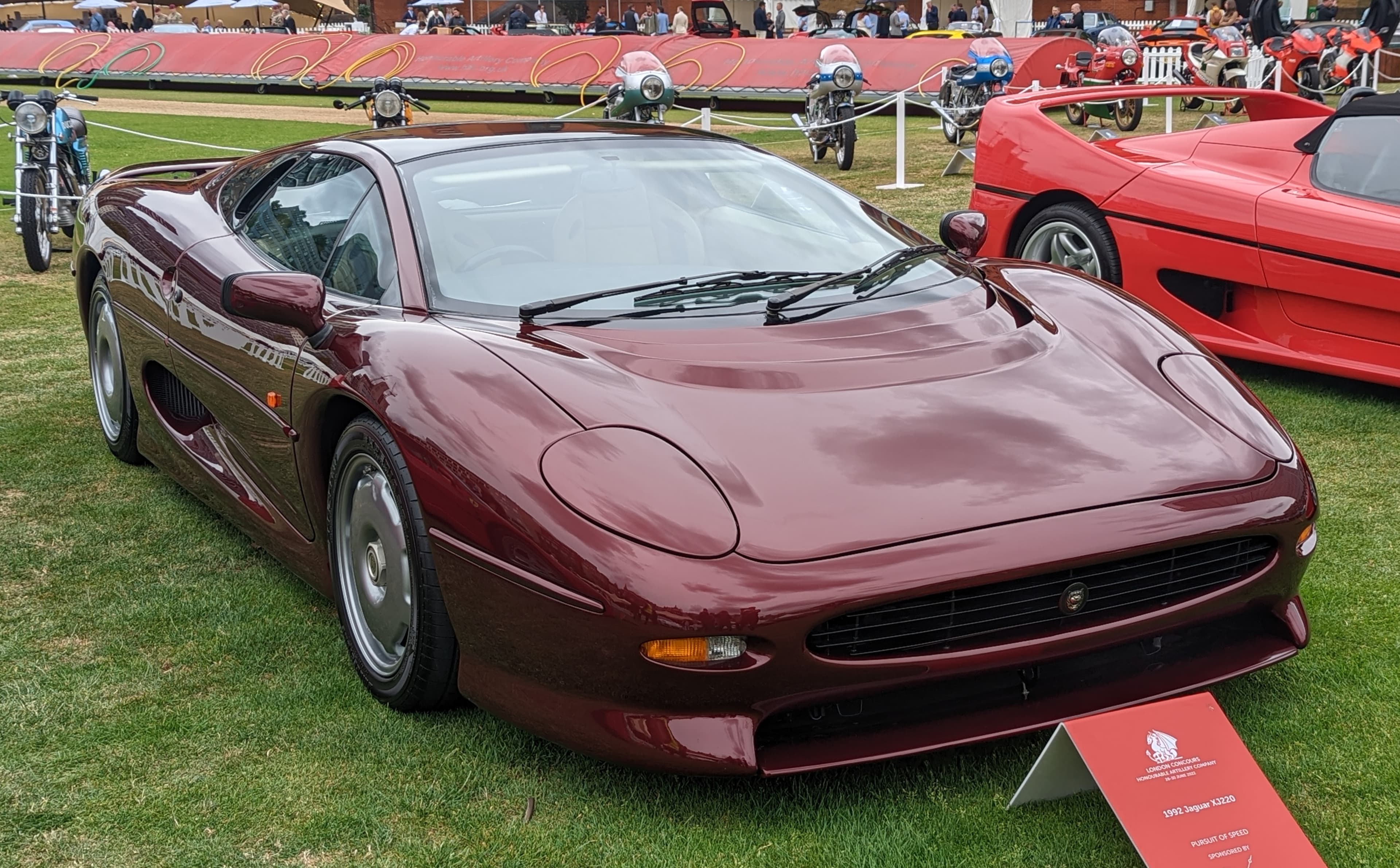
| Jaguar | Сертификат Heritage | Оригинальная спецификация, даты сборки двигателя и автомобиля |
| Mercedes-Benz | Datenkarte (карточка данных) | Заводская спецификация сборки |
Каждое из этих подтверждений имеет свой вес. Ferrari Classiche, запущенная в 2006 году, завершает успешную оценку выдачей переплетенной "Красной книги" и стала практически обязательным условием для продажи классического Ferrari на высшем уровне рынка; Porsche Certificate of Authenticity выдается на основе оригинальной карточки Kardex, хранящейся в архиве Штутгарта; Jaguar Heritage Certificate и Mercedes Datenkarte позволяют отследить автомобиль до момента его схода с конвейера. Сами номера расположены в специфических для марки местах, проштампованы на блоке двигателя, лонжероне шасси и часто на табличке кузова, каждый — шрифтом и в месте, которые специалист знает наизусть.
Помимо бумажной работы, специалист осматривает физические клейма, литейные метки и шрифты, потому что документ и автомобиль должны совпадать. Цифра на блоке значит немного без записи, с которой ее можно было бы сверить, а запись значит немного без соответствующего автомобиля перед вами.
Для каких автомобилей наиболее важны совпадающие номера?
Это наиболее важно для автомобилей класса "голубых фишек", стоимость которых достигает миллионов, а небольшая нехватка оригинальности может привести к большим финансовым потерям. Для Ferrari 250 GTO, Mercedes 300 SL Gullwing, Ferrari 275 GTB или раннего Porsche 911 оригинальный двигатель почти не подлежит обсуждению, а каждое шасси отслеживается по имени в реестрах марок и специализированных базах данных.
Для обычных классических автомобилей правило смягчается. На обычном спорткаре 1970-х годов хороший сменный двигатель едва ли существенно влияет на цену, потому что модель никогда не была достаточно редкой, чтобы оригинальность имела большую ценность. Правило принятия решения простое: чем ценнее и реже автомобиль, тем больше совпадающие номера влияют на его цену, и тем тщательнее вы должны проверять перед покупкой.
Что если номера автомобиля не совпадают?
Автомобиль без оригинального двигателя не является бесполезным, но он должен стоить заметно дешевле, и формулировка имеет значение. "Совпадающие номера" означает, что оригинальный двигатель присутствует; "правильный" или "периода" обычно означает двигатель правильного типа, который приемлем, но стоит меньше; "неоригинальный" означает более поздний или неправильный двигатель, и это самая большая скидка из всех.
Для автомобиля, который активно участвовал в гонках, можно даже ожидать замены деталей, соответствующих эпохе, поскольку оригинальные гоночные двигатели редко доживают до наших дней. Главное, чтобы продавец четко указал, что установлено на автомобиле, и цена честно отражала это.
Скидка реальна и относительно предсказуема. На дорогом дорожном автомобиле замена двигателя обычно снижает стоимость от 30 до 50 процентов по сравнению с аналогичным экземпляром, в то время как на подлинном гоночном автомобиле с богатой историей штраф гораздо меньше. Следует простое правило: платите полную стоимость только за автомобиль с документально подтвержденным совпадением номеров или за гоночный автомобиль, чья соревновательная история явно перевешивает замену, и значительно снижайте цену на все остальное.
Как появляются подделки и перебитые номера?
Мошенничество обычно принимает форму перештамповки, когда номера на запасной части изменяются или подделываются, чтобы выдать ее за оригинал. Именно поэтому опытные покупатели доверяют документально подтвержденной истории больше, чем просто штампу, поскольку номер можно подделать, но непрерывную бумажную документацию за десятилетия гораздо сложнее выдумать.
Здесь вас защищает подтверждение происхождения. Непрерывная запись о владении, старые регистрационные документы, история обслуживания и фотографии того периода вместе создают убедительное доказательство, которое никогда не сможет дать просто проставленная печать с номером, а любой пробел в этой истории — повод присмотреться повнимательнее перед покупкой.
Самая надежная защита — это независимость. Штамп, проверенный только продавцом, мало что доказывает, поэтому серьезные покупатели обращаются к специалисту по марке и напрямую сверяют автомобиль с заводским архивом, будь то Ferrari в Маранелло, Porsche в Штутгарте или Jaguar Daimler Heritage Trust в Британии. Когда физический автомобиль, проставленные номера и заводская запись полностью совпадают, поддельный штамп почти не имеет шансов остаться незамеченным.
Как сопоставление номеров вписывается в остальную часть происхождения?
Совпадение номеров — один из столпов ценности, но оно работает вместе с историей, состоянием и значимостью, а не заменяет их. Автомобиль с совпадающими номерами и победами в гонках и известными владельцами всегда будет превосходить автомобиль с совпадающими номерами и «чистой» историей, поскольку происхождение имеет накопительный эффект.
Рекордные продажи это подтверждают. Автомобиль, подобный Ferrari 250 GTO, сочетает оригинальность с безупречной гоночной историей, поэтому такие машины входят в число самых дорогих автомобилей, когда-либо проданных на аукционах. Совпадение номеров позволяет автомобилю попасть в эту категорию; история решает, какое место он займет.
Часто задаваемые вопросы
Уничтожает ли рестомод оригинальную нумерацию? Да, если исходный двигатель покидает автомобиль. В случае редкого экземпляра с сохранённой заводской нумерацией это обычно обходится в 30–50 % от его стоимости для пуристов, тогда как профессионально выполненный рестомод высокопроизводительной модели может продаваться дороже, чем стандартная реставрация. Наш гид по реставрации или сохранению классических автомобилей подробно разбирает, где проходит эта граница.
Что означает «matching numbers» у классического автомобиля? Это значит, что автомобиль до сих пор имеет оригинальный двигатель и шасси, с которыми он сошел с завода, что подтверждается совпадающими заводскими номерами и данными из производственной документации.
Насколько больше стоит автомобиль с совпадающими номерами? Часто в два-три раза больше, чем идентичный автомобиль с заменой двигателя, и этот разрыв увеличивается по мере роста цен.
Как проверить, совпадают ли номера на автомобиле? Получите заводскую сертификацию, такую как Ferrari Classiche, Porsche Certificate of Authenticity, Jaguar Heritage Certificate или Mercedes Datenkarte, и поручите специалисту марки проверить маркировки на соответствие.